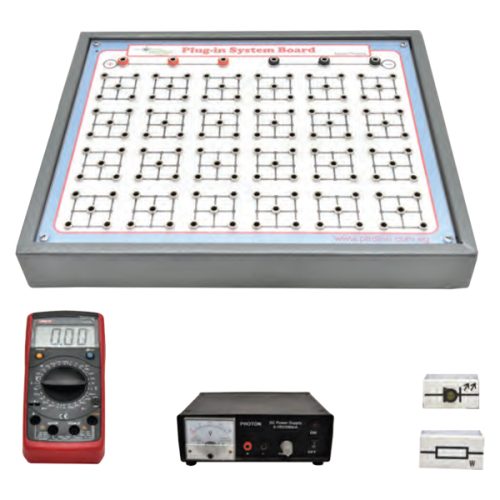
In forward bias, LEDs emit light once a threshold voltage (typically between 1.8V and 3.3V) is reached. As the voltage increases, the current increases exponentially, and the LED becomes brighter. In reverse bias, the current is negligible, and applying excessive reverse voltage can damage the LED.
Significance
This experiment helps determine the threshold voltage, the current-voltage relationship, and reverse bias protection, which are essential for ensuring LEDs function correctly in various applications like lighting and displays.